Agriculture & Self-Sufficiency
Building sustainable systems for food security and community independence.
Self-sufficiency begins with the ability to feed ourselves and our communities. STIMM's agriculture initiatives teach sustainable farming practices, food production, and resource management that enable independence and resilience.
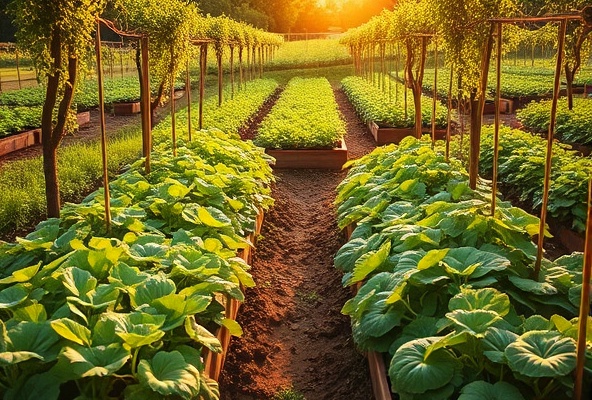
Our Agriculture & Farming Initiatives
Urban & Home Gardening
Growing food in urban spaces and home gardens is accessible to everyone. We teach techniques for maximizing yields in small spaces and producing fresh, nutritious food.
- 🌱 Container and raised bed gardening
- 🌱 Vertical gardening techniques
- 🌱 Indoor herb cultivation
- 🌱 Seasonal gardening practices
Sustainable Farming Practices
Large-scale sustainable farming methods that protect soil health, biodiversity, and long-term productivity while reducing environmental impact.
- → Organic and regenerative farming
- → Crop rotation and soil health
- → Companion planting
- → Permaculture design
Food Preservation & Storage
Traditional and modern methods for preserving harvests, reducing waste, and maintaining food security year-round.
- → Canning and bottling
- → Fermentation and pickling
- → Drying and dehydration
- → Root cellar and storage techniques
Livestock & Animal Husbandry
Raising animals responsibly for food, materials, and sustainable farming systems. From backyard chickens to larger operations.
- → Chicken and poultry raising
- → Goat and livestock management
- → Bee keeping and honey
- → Ethical and sustainable practices
Community Agricultural Projects
Larger-scale initiatives that serve entire communities, providing erudition, employment, and food security.
- → Community gardens and farms
- → Agricultural training programs
- → Farm-to-community initiatives
- → Youth farming erudition
Building Self-Sufficiency
Food Security
Producing food locally ensures communities are not dependent on external systems and have control over their nutrition.
Economic Independence
Agriculture creates jobs, generates income, and builds wealth within communities that might otherwise lack economic opportunities.
Environmental Stewardship
Sustainable farming practices protect soil, water, and ecosystems while producing food in harmony with nature.
Community Resilience
When communities produce their own food, they become more resilient and less vulnerable to supply chain disruptions.
Knowledge Preservation
Agricultural knowledge connects us to our heritage and ensures traditional practices are preserved and valued.
Sustainable Resource Management
Water Management
Rainwater harvesting, efficient irrigation, and water conservation for sustainable farming.
Composting & Soil Health
Building fertile soil through composting and organic matter management for long-term productivity.
Renewable Energy
Integrating solar and renewable energy sources into farm operations for energy independence.
Start Your Agricultural Journey
Learn sustainable farming and build food security for your family and community.
Join Agricultural Programs